
No Opinion. No Audience.
Nobody follows a writer who agrees with everyone.

Let me show you how forgettable writing gets made.
A writer sits down with something to say. They have an opinion. A real one. They type it out.
Then they reread it.
Hmm. That’s pretty strong. Someone might push back.
So they add “I think” to the front. Softer now.
But what if it doesn’t apply to everyone?
They add “Your mileage may vary” at the end. Safer.
What about people who outright disagree?
They insert “Some would argue the opposite, and that’s valid too.”
By the time they hit publish, the opinion is gone. Buried under a pile of qualifiers so thick you’d need an excavator to find it.
Nobody objects to the piece.
Nobody shares it either.
It drifts through the feed like a plastic bag in a mild breeze. Technically present. Practically weightless.
The writer wonders why their work doesn’t land. They blame the algorithm. The timing. The topic.
It wasn’t any of those.
It was the fact that they were too pleasant to let their opinion breathe.
The Kindest People I Know Write the Worst Content
I’ve coached writers for years. Edited thousands of drafts. Spent more time than any human should staring at paragraphs that technically function but land like a clammy handshake.
The nicest people I work with write the blandest content.
Not the least skilled. The nicest. The ones who find common ground the way some people apologize for things that aren't their fault. Automatically. Compulsively. Without realizing they're doing it.
(In social settings, these are wonderful humans. The kind who can talk down a drunk friend before they text their ex a manifesto. In writing? They vanish into the infinite scroll like they never existed.)
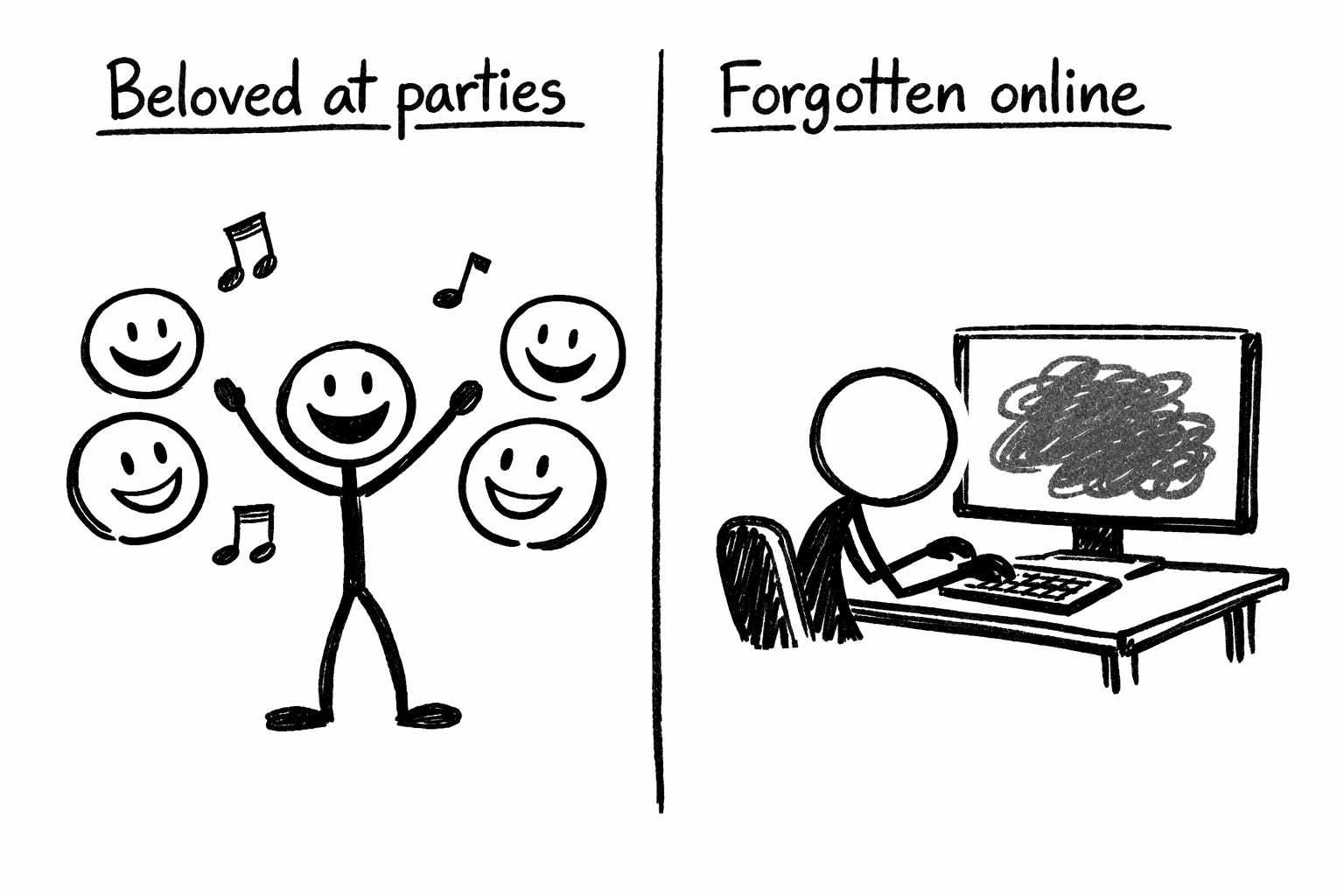
Switzerland Has Never Won a War (And Neither Will Your Writing)
Here’s what agreeable writing sounds like:
“Some people think X is important, while others believe Y has merit. There are compelling arguments on both sides, and ultimately, the best approach may depend on your specific situation.”
You’ve read this paragraph nine thousand times. Maybe you’ve written it. (I have. We all have our filthy sins to confess.)
It says nothing. Commits to nothing. It’s the Switzerland of paragraphs.
(No offense to Switzerland. Excellent chocolate. Excellent cheese. Both famous for melting into inoffensive goo. There might be a connection.)
The writer who typed these lines had an opinion once. Then they imagined the angry commenter. (Already typing. Always typing. The angry commenter exists in a quantum state of perpetual outrage, waiting to materialize into reality the moment you say something specific.)
So they softened. And softened again.
The opinion is still in there somewhere, technically. Bound and gagged in the basement of the paragraph, behind seventeen qualifiers, hoping someone will eventually come looking.
Voice Requires Enemies. You Keep Making Friends.
Voice requires conflict.
Not Reddit pile-ons. Not neighbors arguing over fence lines. Not couples fighting at IKEA. Conflict in the sense of choosing. Taking a position. Including these people in your audience at the expense of those people who will feel excluded.
Every strong opinion alienates someone. Every choice about what to say is a choice about what not to say.
Agreeable people sense potential disagreement before they finish typing. The discomfort arrives preemptively, like a smoke alarm going off because you thought about making toast. So they soften. They hedge. They add qualifiers until what they've written could be safely tattooed on the lower back of a coward.
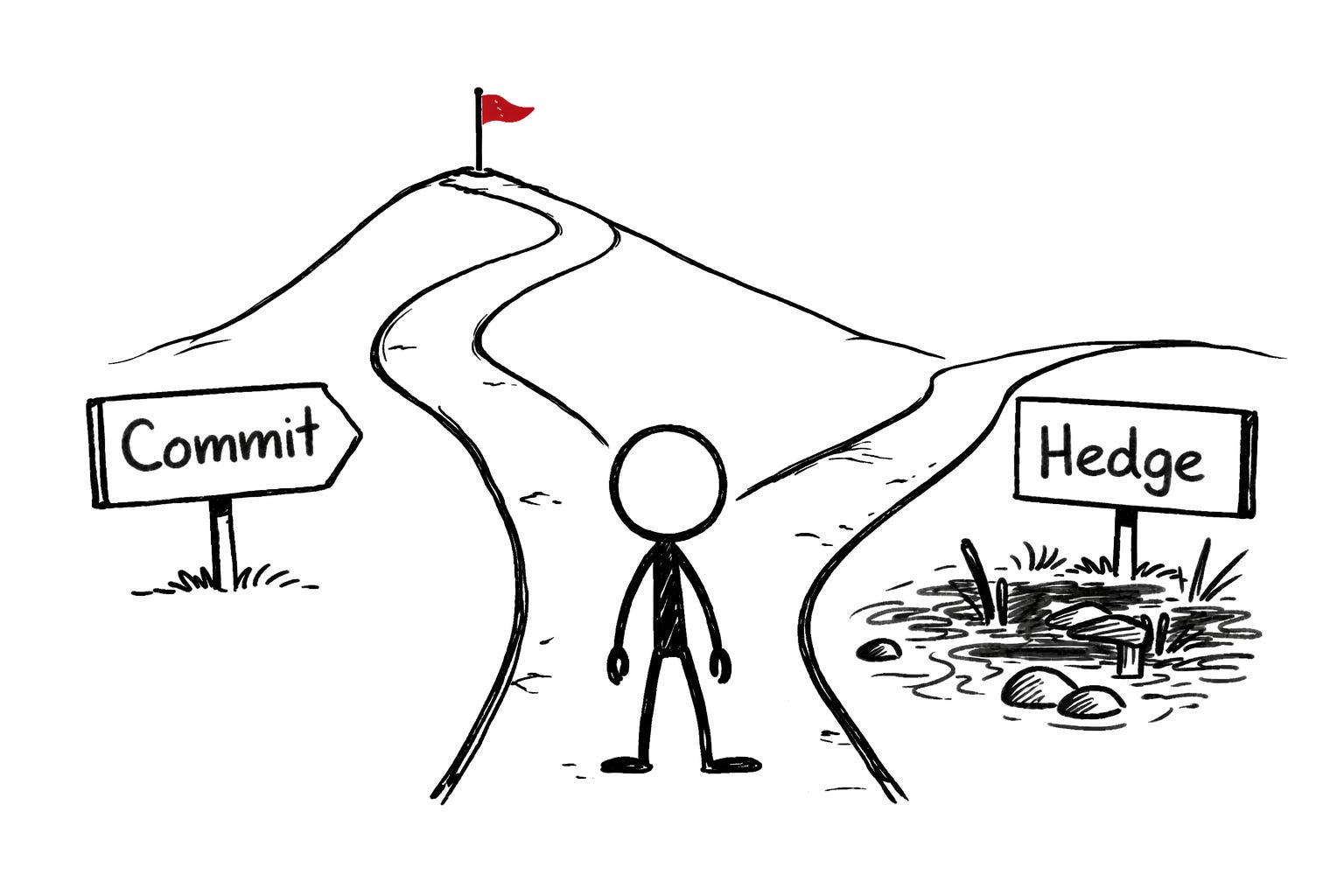
Nobody Trusts a Chameleon
Disagreeable writers are easier to trust.
A strong, consistent voice gives readers something to hold onto. When you commit to positions, people know what they’re getting. The rules are stable. Even if they disagree violently, they trust you. Because you’re not shapeshifting to please them.
Agreeable writers? You never know which version you’ll meet. They morph based on the imagined audience. You can’t build loyalty to a chameleon.
Being “nice” on the page makes you less trustworthy. Performed niceness reads as calculation. Readers smell strategy the way dogs smell fear.
Stop Being So Pleasant (I’m Not Telling You to Be an Asshole)
Let me be clear: manufactured controversy is pathetic. Performing edginess is just agreeableness in a leather jacket and slicked back hair.
Disagreeable writing is simpler:
Have opinions. State them without apologizing.
Which sounds easy until you try it. Then you realize how many qualifiers you add automatically. How many ways you’ve learned to whisper “please don’t be mad” without typing those words.
The test is simple: If no one could possibly disagree with what you’ve written, you haven’t written anything.
You will lose some readers. Let them leave. Wave goodbye. Mean it. They weren’t your readers anyway. The ones who stay will actually trust you.
Stop Burying Your Best Stuff
Pull up the last three things you published. Search for these phrases:
“Some people think...”
“It could be argued...”
“Your mileage may vary...”
“It depends on your situation...”
“Just my opinion, but...”
Every instance is a place you softened. Pick the worst offender. The sentence where your original stance is gasping for air underneath all the hedges.
Rewrite it with the hedges removed.
Original: “Some people find it helpful to write first thing in the morning, though others prefer evenings, and ultimately it depends on your personal schedule.”
Rewritten: “Write first thing in the morning. Before email. Before the news. Before the day gets its hands on your attention and tears it into pieces.”
The first version will evaporate from the reader’s brain before they finish the sentence. The second is specific enough to be wrong. Opinionated enough to annoy night writers.
Guess which one gets shared.
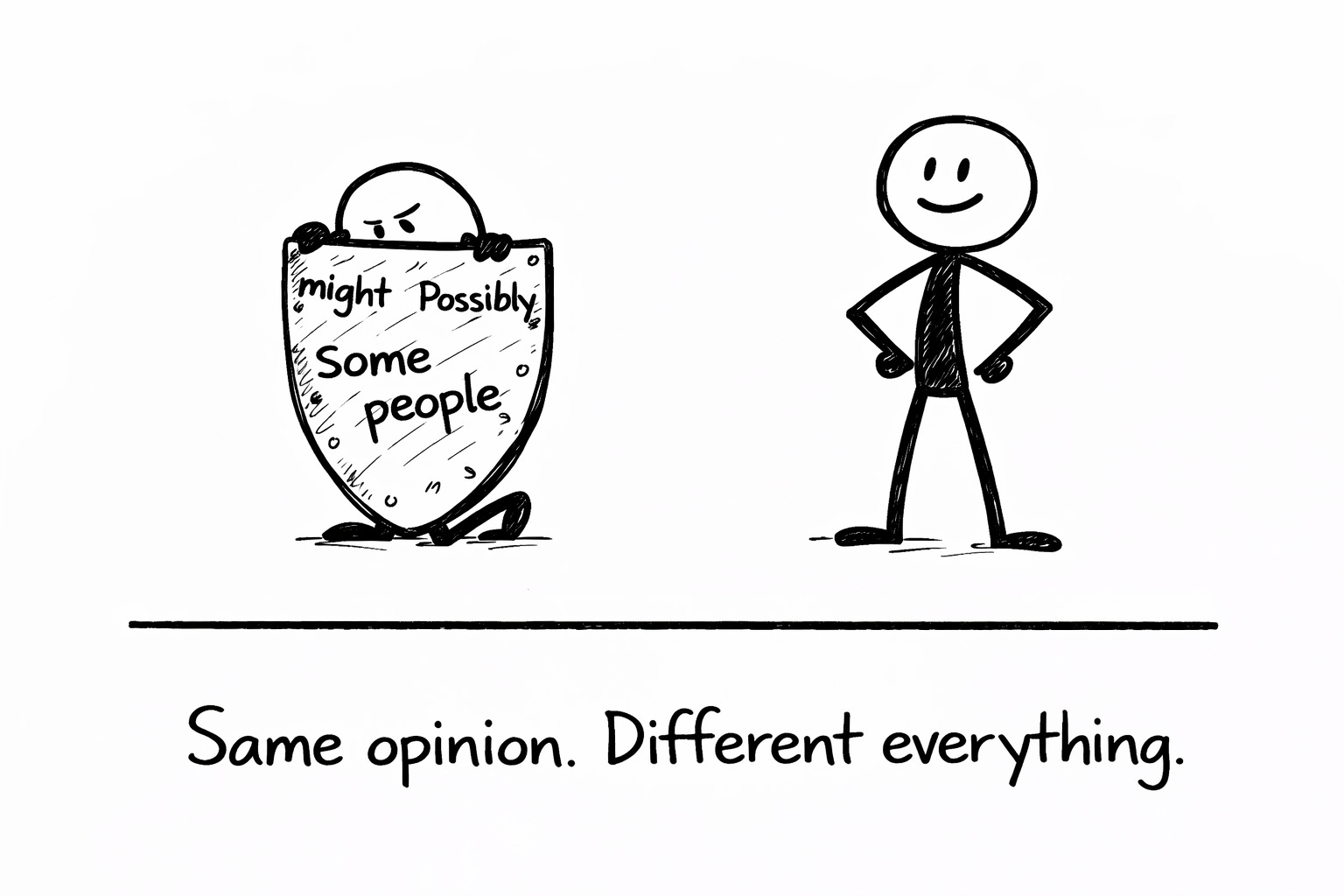
The Nice Version of You Has Written Enough
Somewhere right now, a very kind person is finishing something forgettable. Something that will drift through the feed without making a single person feel a single thing.
Your writing can be liked by everyone or remembered by someone. Pick one.
Most voices don't get silenced. They volunteer for it, one qualifier at a time. Yours might be there now. Smothered under qualifiers. Buried beneath hedges you planted because someone, somewhere, might have felt uncomfortable.
Dig it out. Let it breathe. Say the thing you’ve been too agreeable to say.
The nice version of you has been writing long enough.
🧉 Fill in the blanks in the comments: “I think _____, but I’ve been too chickenshit to say it…”
Bonus points if it would make at least one person unsubscribe from your newsletter. (Don’t worry. That person isn’t reading my little rag anyway.)
Crafted with love (and AI),
Nick "Unsubscribe If You Must" Quick

PS… The hedge audit above? That's just one part of the Stance layer of my V.A.S.T. system. There are three more layers to your voice that AI keeps getting wrong. The Voiceprint Quick-Start Guide walks you through all four. Free. Immediately actionable. Grab it before you publish another piece of diplomatic mush:
PPS… I do this daily. Voice. AI. The war on hedge words. If this resonated, subscribe… then forward it to a writer friend who's still out there publishing “balanced takes” to an audience of absolutely no one. They're not going to find this on their own. They need you to shove it in their face.
1000%! I used to soften my writing with 'I think' and all those extra add ons to soften the blow so people would still like me. Then I asked my AI to help me STOP doing that. Calling me out when I tried to add all this extra fluff in there to soften any hard points I was making. And now I'm writing stronger. I'm not wrapping my words up in bubble wrap. I'm calling it like i'm seeing it - no apologizing and 'just my opinion but..' and 'your mileage may vary' etc. And I'm enjoying being a hard ass now, thanks to Gemini keeping me in line and saying i'm getting too soft again cut it out.